Wednesday, January 6, 2016

Why Are Steroids Bad For You


You must’ve heard about them by now: performance enhancing steroids that seem to do the trick for many. Why are they so infamous? What’s the story behind them? You can look up for answers on Google as much as you want, but one question remains: if steroids make athletes powerful and muscular, can they really be all that bad?
Deep down within, you ought to know that steroid abuse can’t be any good. That’s the truth when it comes to anabolic steroids. Even when they are used for treating medical conditions, such steroids contain all sorts of common side effects.
Let’s just answer the main question first: what are steroids?

What Are Steroids?

You shouldn’t confuse corticosteroids with anabolic steroids. Corticosteroids are utilized for reducing swelling and dampening the overactive immune responses. On the contrary, anabolic steroids are solely used for building up muscle.
The anabolic steroids that athletes so commonly abuse are the synthetic versions of the well renowned male hormone, i.e. testosterone. Both the genders naturally produce this hormone. But just like all of the hormones that regulate the human body’s most basic of functions, throwing an individual’s testosterone hormone out of balance leaves a wide range of consequences.
Well, if they are so bad then why do doctors prescribe steroids?


Why Are Steroids Prescribed By Doctors?

Doctors can prescribe these anabolic steroids for treating certain medical conditions. For instance, they might be utilized for treating the muscle wasting that is seen during AIDS. What’s more, steroids might also be utilized for treating loss of testicular functions or delayed puberty.
It is also important to note that doctors are not permitted to prescribe any types of steroids for enhancing an individual’s athletic performance.

The Harmful Effects of Steroids on Men

Men who are taking anabolic steroids might:
·         Become impotent
·         Become infertile
·         Develop breasts
·         Get painful erections
·         Have decreased sperm count
·         Have their testicles shrink

The Harmful Effects of Steroids on Women

Women are taking anabolic steroids might:
·         Experience irregularities in menstruation
·         Grow excessive body and facial hair
·         Suffer from a masculinized female fetus
·         Get an enlarged clitoris
·         Have their breast size reduced
·         Get their voices to deepen

The Youth’s Perspective

Did you know that the teens are also involved in steroid abuse nowadays? The statistics will definitely shock you. Teens who are indulged in anabolic steroid abuse can suffer from a deficiency in height growth because of arrested gone growth. What’s more, girls might suffer from long-term masculinization as well.
Apart from all of that, since steroids are mostly taken via injections, there are also risks of getting hepatitis or HIV infection due to an unsterile syringe or needle. All in all, there are a great many side effects of steroid abuse. They aren’t good at all for you.

Saturday, December 26, 2015

The Top 10 Most Common Training Mistakes

Gym Class: The Top 10 Most Common Training Mistakes And We Show You How To Fix Them

Get out your workout logbook and tighten up your wrist straps as we count down the 10 most likely derailments of your training progress and explain how to avoid them. Class is in session.


Mistake #10 Cheating Your Gains

Used correctly, cheating can up the intensity of sets, but it’s frequently employed too soon and therefore lessens intensity. Many bodybuilders cheat (i.e., use bad form) throughout a set, and therefore transfer stress away from the targeted muscles. Biceps curls, for example, are often cheated from start to finish by the use of momentum, which shifts the focus off of the bi’s and onto the front delts.

Solutions

  • Learn how to do each exercise with the proper form, and then practice until you have this form mastered. Warm-ups and the lighter sets of a pyramid are also like practice rounds to get you into the groove, so you can do your heaviest sets correctly.
  • If necessary, take steps to curtail cheating, such as standing against a wall and/or pressing your elbows against your sides during barbell curls or performing side laterals while seated.
  • Do not loosen your form until you’ve reached full-rep failure. Cheating should be used to make a set harder (pushing it beyond failure), not easier (preventing you from reaching failure via strict reps).
Photo Credit: Brian Moss

Mistake #9 Going Too Low

The best range for muscle growth is 8-12 reps per set. Consistently doing 7 or fewer reps with heavier weights may feed your pride in the gym, but it won’t build as much muscle as moderate reps with moderate weights. A recent study found that when subjects used a weight that allowed them to complete 25-30 reps per set, they increased muscle protein synthesis (the process that leads to muscle growth) by 60% more than when they did sets with a weight that limited them to 4 reps. What’s more, going too heavy often leads to truncated reps. This is especially true of leg presses. It’s likely you can use more metal with this exercise than any other.
This stokes your ego, and because the guy before you used 900 for six half-reps instead of 600 for 12 full reps, you want to crank out 900-pound partials, too. Resist this urge. More reps and better form with a lighter weight will build more mass.

Research

A recent study from Italy found that when subjects did dumbbell shoulder presses with half-reps or three-quarter reps, they did not use nearly as much deltoid muscle fibers as they did when they did full reps. Using more muscle fibers during an exercise will make that muscle bigger. Even when training for power, the fewer reps you do, the harder it is to eke out another one and thus make consistent gains.

Solutions

  • Do movements from full stretches to full contractions. Carefully control the negative half of reps.
  • Keep the reps of most sets in the 8-12 range.
  • Focus on your muscles contracting, not the weight moving.

Mistake #8 Failing to Fail

Failure is the point in a set when you cannot complete another full rep with good form. Not every working set needs to enter the failure zone, but many bodybuilders fall far short of failing on every set. Often this is because they set a target well within their reach, hit it and quit.

Solutions

  • On a failure set, don’t bail out of a strict rep until it has stalled for at least three seconds. Then you can stop, or you can cheat just enough or get just enough assistance to complete the rep.
  • Keep a workout log, noting your personal bests in lifts. “Beating the logbook” will give you something to shoot for each workout.
  • Don’t set a rep target unless it’s beyond your full-rep comfort zone and, ideally, a personal best.
  • Shoot for at least one or two sets taken to failure on every exercise you do.
Featured Model: Brad Gouthro

Mistake #7 Machine Love

Most modern gyms have a plethora of machines, but resist the urge to fill the bulk of your routine with mechanical movements. Barbells and dumbbells remain the best bodybuilding tools ever invented, and free-weight or bodyweight exercises should be the cornerstones of your routines for chest, back, arms, shoulders and quads. The best chests of Arnold Schwarzenegger’s era still compare favorably with the 12 pecs in this year’s Mr. Olympia posedown despite all of our modern advantages.
Why? Pecs then were worked almost exclusively via barbell presses, dumbbell flyes and dips.

Solutions

  • Do mostly free-weight and bodyweight basics.
  • Emphasize compound exercises (those that use more than one bodypart). For example, do dips and close-grip bench presses for triceps, as opposed to all mechanical isolation exercises like pushdowns and machine extensions.
  • If you do mechanical lifts, try to choose a unilateral Hammer Strength, FreeMotion or similar machine that approximates the freedom of free weights.

Mistake #6 Insufficient Intensity

There are those who never push sets beyond full-rep failure and thus never truly challenge themselves in the gym, and there are those who have journeyed deep into the pain zone but, over time, their intensity progressively wanes. For the former, there are several techniques for going beyond failure, including forced reps, cheating, partial reps, rest-pause, negative reps, static contractions and descending sets. (Research shows that techniques such as forced reps boost growth hormone levels far higher than workouts in which sets are taken just to muscle failure and not beyond.) For the latter, almost everyone experiences periods of waning intensity.
The mistake is trying to work your way out by doing more of the same. Instead, you need to recharge your physical and mental reserves. To reach your goal in the fastest time, you sometimes need to slow down, or stop and refuel.

Solutions

  • Learn the various techniques for pushing your sets beyond failure and apply these to a few sets each workout. Not every technique fits every exercise. For example, you don’t want to cheat squats or do negative-only deadlifts, but a spotter can help you with a couple forced reps on squats and you can rest-pause deadlifts.
  • Waning intensity is a warning sign for overtraining. Heed this warning, and cut down on your workout frequency and/or take a week or two away from the gym.
  • Cycle higher intensity periods of 8-12 weeks with lower intensity periods of 2-4 weeks. In the latter, break up your normal training style with something fresh, like circuit training, powerlifting or high reps (20-50 per set).
When you’re back on the fast track and trying to push sets to failure and beyond, choose challenging but (barely) attainable short-and long-term strength goals.

Lessons Learned

  • Only cheat to extend sets beyond full-rep failure.
  • Keep most of your sets in the 8-12 rep range.
  • Push some working sets to the point where you fail to complete a full rep on your own with proper form.
  • Choose mostly free-weight and bodyweight exercises.
Push some working sets beyond full-rep failure and cycle your training to maintain intensity.

Mistake #5 Too Little Rest

When it comes to overtraining, we prefer to focus on the resting component and not the working component because, for most bodybuilders, the problem is not too much workout volume or intensity. Instead, the culprit negating their gains is almost always insufficient rest between workouts. You need to properly space your gym sessions to make certain you fully recover and grow before hitting the heavy iron again.

Solutions

  • Allow at least 72 hours between workouts for most bodyparts (calves and abs, excepted). So if you train triceps on Monday, you can hit them again on Thursday.
  • Avoid doing heavy squats and dead-lifts on successive days. Try to schedule 72 hours between such workouts.
  • Be aware of how secondary muscles are worked in compound exercises and schedule your workouts accordingly. For example, front delts get stressed during chest-pressing movements, so avoid training shoulders and chest on contiguous days. Instead, allow at least 48 hours between such workouts or hit both in the same session, so they can recuperate simultaneously.
  • Cardio can rob your recuperative reserves. Avoid leg-intensive cardio the day prior to leg day.

Mistake #4 Avoidance

Except for those lucky few who already have too much of a good thing, bodybuilders don’t neglect biceps or pecs. On the other hand, from raw neophytes to those doing their thousandth workout, too many bodybuilders neglect cardio, stretching and abs none of which provide the pleasing pump of dumbbell curls or bench presses and they may not allow any room in their routines for smaller bodyparts, such as forearms. You’re likely unaware that you’re shortchanging some crucial bodybuilding components and therefore shortchanging your overall progress.

Solutions

  • Sweat the “small stuff.” Make time and space in your routine for abdominals, calves, forearms, lower back and traps. In fact, abs and calves can be trained more frequently than other bodyparts. Likewise, always schedule time for cardio, instead of relegating it to “if I have time” status.
  • Give every bodypart its own routine. Instead of a “leg routine,” have a “quad routine” and a “ham routine” and a “calf routine,” even if one follows the other in the same workout. Similarly, give your traps their own routine instead of merely lumping them in with shoulders or back.
Find a way to work in muscles you might otherwise avoid, such as abs. You can do this by performing sets of abs between those for another bodypart, such as shoulders.

Mistake #3 Missing the Target

Abs, back, quads, triceps and traps those are five bodyparts where, over the course of our classes, we discussed missing the targeted areas with exercise selection and performance. What do they have in common? They’re all complex bodyparts with a variety of areas to hit and thus a variety of areas to miss. Too many bodybuilders think they’re hitting, say, their lower lats or outer quads while in fact they’re whiffing over and over again.

Solutions

  • Know your anatomy. For example, the deltoids and triceps both have three heads. You need to know where those heads are before you can then target each one.
  • Learn how to hit the target. Sometimes the best exercise may surprise you, but trust us to give you the proven formulas as well as the latest scientific research, so you’ll know precisely how to nail every target.
Do your target practice. It’s up to you focus the most stress on the muscles and areas of muscles you want to grow to attain a complete physique.
Photo Credit: Jason Ellis Photography

Mistake #2 Short and Quick

It’s easiest to stay in the midrange of reps and avoid stretches and contractions, and that’s why bodybuilders work the middle on set after set. Consequently, they also minimize their gains. This can and does occur with any bodypart, but it’s especially prevalent on leg day. Too many bodybuilders go too short and quick on reps of squats, leg presses and standing calf raises. This allows you to move more metal, but not motivate more muscle. The key to growth is stressing your muscles through full ranges of motion.

Solutions

  • Learn the proper range of motion, and use a weight that allows you to get at least eight full-range reps.
  • During reps, forget the weight and instead focus on feeling your muscles contracting.
  • You may wish to extend some sets via burns (quick partial reps), but do this only after reaching failure with full-range reps.

Mistake #1 Same Old Workout Syndrome

The most common training mistake is sticking to the same routine long after it’s outlived its


usefulness. For some, it’s a lack of imagination that keeps them doing the same basics in the same order. For others, a kind of inertia takes over, so they robotically do the same exercises for the same reps with the same weights, giving their muscles no new stress to adapt to. If you’re making continuous strength gains on a routine, you can stick with it. If you’re not, change it now.

Solutions

  • As with our number three mistake, sometimes the problem is a lack of knowledge. Learn all the exercises you can do for each bodypart. You may be surprised by all the variations to even limited movements like shrugs and wrist curls.
  • Try the various machines in your gym. Sometimes just subtle differences in things like the placement of pulleys and hinges can make a big difference in how two similar machines work your muscles.
It’s not just exercise selection you can alter. Other variables include the number of sets per exercise, the number of reps per set, exercise order and the workout order of your training split.

Lessons Learned

  • Schedule at least 72 hours of rest between working bodyparts.
  • Make time for your smaller bodyparts, and schedule each into its own routine instead of lumping it in with others.
  • Learn your muscle anatomy and how to focus exercises on specific areas.
  • Learn the proper range of motion, and use a weight that allows you to get at least eight full-range reps.
  • Embrace variety and regularly alter the variables of your routines.
Original Content:
Author: Greg Merritt
References:
http://www.muscleandfitness.com/
http://www.flexonline.com/
Copyright Weider Publications
Copyright Gale Group


Wednesday, December 23, 2015

4 Weight Loss Tips You’ve Never Heard Before

You’re all set to lose some weight. But you’ve just about heard every bit of that stale, tried and tested weight loss advice. “Eat more vegetables!” “Limit your portions!” “Exercise more!” We’ve heard all that before.
Maybe what you really need this time is a fresh start. This is why I am here to provide you with a few interesting weight loss tips that you’ve probably never heard of before. These will be enough to excite you and get you to try a new weight loss regime from today.
Here are four diet tips you might have not heard of yet:
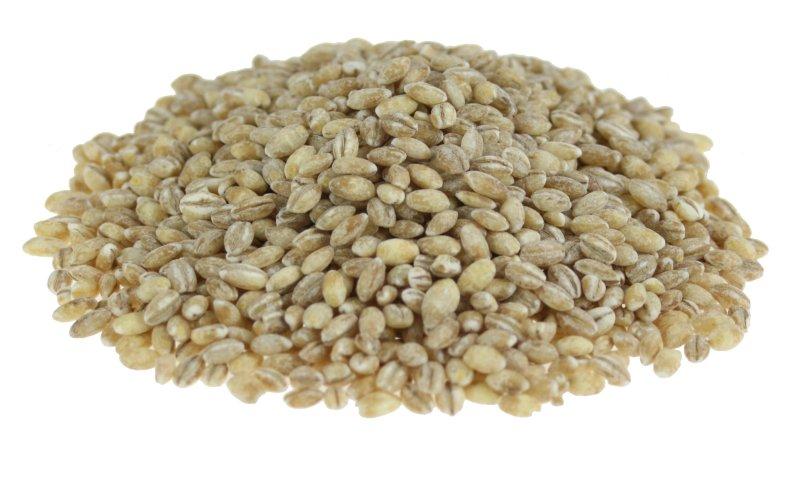
  1. Have Barley for Breakfasthttp://nadiequieremorir.com/wp-content/uploads/2015/06/barley.jpg

Barley is the new oatmeal! How? Well this is all thanks to the Swedish researchers who found that consuming rye kernels or barley for breakfast keeps blood sugar even. How is that possible, you ask? Well the carbs in rye kennels and barley are low glycemic index, which means they are slower at raising blood sugar as compared to other carbs. With barley for breakfast, you get to avoid the spike and sudden drop in your blood sugar, which can often leave you to feel famished.
  1. Beef Up Your Lunch Salad

This is pretty much self-explanatory. Dieters mostly consume a simple veggie salad for lunch. This leads to mid-afternoon starvation. Of course, salad is a fantastic choice. But you need to add some protein and fat to it to make sure you stay full for longer. So don’t be afraid to add in some chicken breast and light salad dressing to your lunch.
  1. Make Yourself a Party Tray

I am talking about a big vegetable platter that can consist of some low-fat dip on the side. Make sure you keep this in your fridge at eye level. This will encourage you to snack healthy while also avoiding any high caloric contents in the refrigerator.
We’ve already learnt from studies that we tend to eat a lot more once food gets within easier reach. In fact, according to a research carried out by Brian Wansink, director of the Lab for Food and Brand at the Cornell University, (who also happens to be a PhD) secretaries who had placed candy on the desks ate nearly 50% more as compared to when the same candy was almost 6 feet away from them.
  1. Turn Down the Thermostat

http://www.lowes.com/images/LCI/Planning/BuyingGuides/ThermostatBuyingGuide/Thermostats-Hero.jpg
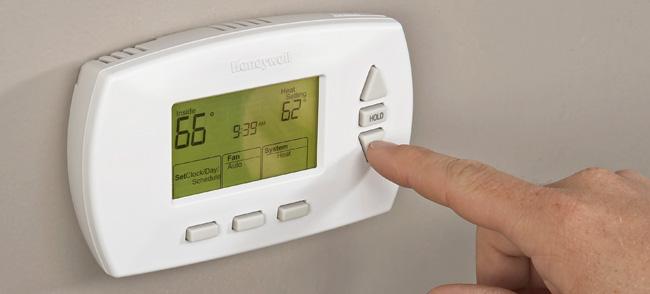
If you spend time in a cold house – nearly 61o Fahrenheit – can actually boost your body’s fat burning capabilities of the “brown fat”. Brown fat is what we also call the “good” fat. This kind of fat, as opposed to the regular white fat, stores calories and has a tendency of accumulating.
Scandinavian researchers have found that staying in chilly temperatures can boost the metabolic rate of your brown fat by as much as 15 fold. This obviously helps you burn more calories. However, you shouldn’t expect miracles to happen. This will hardly be a noticeable difference.
Anyhow, these are the tips I had for you. I’m pretty sure you never heard of them before – or did you? Let me know through your comments!

Saturday, December 19, 2015

Free Weights vs Exercise Machines


There is a lot of back and forth on which is better for strength training—free weights or machines. Some people get fanatical about this and say that free weights can yield better results and others swear by cable machines. This is one of the biggest debates in the fitness world. So once and for all: which is better—free weights or machines? My answer is that both work and what you choose will depend on your specific fitness level and goals.

Let's start with machines. What I like best about machines is that you don't have to pay so much attention to form, balance and coordination. The machine guides you through the movement, almost like having your own personal trainer. For this reason, machines are perfect for many first-timers, seniors and those recovering from an injury.

One machine that gives you a great workout for strengthening and toning your pectorals or chest muscles is the "pec deck." One of the reasons why it works so well is that the machine "forces" you to perform the proper movement. And it helps isolate your chest muscles without involving lots of other muscles so you get the most bang for your buck. For men, this machine can help give you nice definition to your chest muscles. For women, this machine does a great job of firming and toning things up. If you try this same movement with free weights or dumbbells, it's sometimes difficult to get the same controlled movement isolating just your chest, especially for those new to fitness.
Machines are also good if you want to add circuit training to your routine. Circuit training involves going from one machine to the next with little rest in between. You use a doable weight and perform each exercise until your muscles are fatigued and you just can't do another repetition. The machines allow you to go quickly from one exercise to the next without having to mess around changing plates and adding collars. Circuit training is a terrific way to build muscular endurance and add some variation to your workout routine.

Now on to free weights. You might get intimidated at the gym because many of the big boys are tend to monopolize the free weights. Don't be intimidated! One of the reasons many athletes like to train with free weights over machines is that they require more balance, coordination and utilization of stabilizer muscles. For example, if you're doing a standing dumbbell shoulder press, you're not only working your shoulder muscles but also your abdominals and leg muscles to stabilize your body. Some research shows that you can even burn more calories doing your weight training activities standing rather than sitting.

Free weights are more versatile than machines, allowing more range of motion and variation. And if you want to work out at home or outdoors, nothing beats a good ole set of dumbbells. They are inexpensive and take up very little space.

If you decide to use free weights, you must always be aware of your form. There's much more room for error as opposed to the controlled movement on a machine. And, in the beginning, use a weight that's comfortable. If the weight is too heavy, you're probably going to sacrifice form and that can be a real invitation for injury.

As for me, I like to use a combination of free weights and machines. For the upper body I love to use dumbbells. Particularly, I like to do dumbbell exercises standing when I can (standing shoulder press, standing bicep curl and standing triceps extension are good ones). For my legs, barbell squats and deadlifts are my favorite, but I like to add single-leg extensions and single-leg curl machines. If you have any kind of knee problems, machines are the way to go.

Whether you use machines or free weights, the bottom line is consistency, intensity and variation of your workouts. Don't be afraid to mix up it up. It's your body—push it, challenge it and most importantly enjoy it.

Related Links:

Make every step toward health count with a Fitbit tracker.

Don't live in gym, just look like you do! 

Transform your body in just 90 days with P90X!

INSANITY - Get a Year's Worth of Results In Just 60 Days!

Body Beast - Go from Regular Joe to JACKED...Ho-Hum to HOTTIE in 90 Days flat!

Beauty Sleep by BikiniBOD™ is a delicious, innovative tea supplement that takes the typical weight loss and detox elixirs found on the market today to a whole new level. Beauty Sleep Tea combines the very best of the leading detoxifying, appetite suppression and beauty ingredients into one mix.

Air Purifiers for Asthma.


Original content: 
http://www.active.com/fitness//strength-training-free-weights-or-machines
By Joe Decker

Tuesday, December 15, 2015

What foods NOT TO EAT when losing weight

The foods you must STOP EATING RIGHT NOW when trying to lose weight are…

Hi team, now we all can get wrapped up in knowing what foods to eat when trying to lose weight. But knowing what foods NOT to eat is just as important. Furthermore, imagine if you consumed all the proper foods necessary to maintain a healthy life style. If you are consuming just as many unhealthy (calorie dense) foods than your efforts are to no avail. Just think, one donut can contain up to 300 calories, and one candy bar can contain up to 260 calories. Both these foods consumed can quickly account for 560 calories which can could have been an entire meal. Now are you seeing where I'm going with this? It is extremely important that we not only consider what foods to eat to lose weight, but also what foods not to eat in order to lose weight. Our goal is to become properly educated on the means of achieving our weight-loss and fitness goals, then executing an effective plan to get there. So here are some foods to stop eating when trying to lose weight:
  • You need to stop drinking regular & diet sodas. Quick fact: If you replaced a 20oz bottle of soda with water daily… You would easily lose up to 35 pounds in one year so if you're addicted to soda - go here to see how to stop drinking soda so
  • Drink more water, Drink more sugar-free vegetable juices (like V8), Drink more Green Tea and…
  • Cut down on or try to stop drinking alcohol. Quick fact: Alcohol is basically the refined juice of natural foods which makes it a drink of pure concentrated sugar that will make you gain fat easily and…
  • AVOID the grocery store snack aisle - Stop eating potato chips, popcorn, cookies, candy, ice cream, cakes, etc. The ingredients in these foods make you want to eat more and the companies who make these snack foods know you'll stay addicted to them (even after you gained lots of weight eating their snacks) &…
  • These companies don't care if you gain weight because of their snack products as long as they make their money off YOU and if you're addicted to snacks - Read more about ways to curb your cravings for snacks, salt & sugar.
  • You need to make a strong effort to cut down on your salt & sugar intake because too much salt & sugar causes you to gain water weight making you look fatter than you already are and
  • Avoid processed foods as much as possible because the processing of these foods removes all the stuff that helps you lose weight and replaces it with stuff like sugar, corn syrup and hydrogenated oils to make you fatter so…
  • Read food labels and avoid anything that has sugar as it's main source of carbs or has corn syrup & hydrogenated oils as ingredients and…
  • Don't be fooled by the term "Multigrain" since it's just a fancy word for processed carbs and choose "Whole Grain" products only. Also check out my blog Body Mass index & Weight Loss

Here's a bigger list of Foods NOT to eat when trying to lose weight…
  1. Fried foods
  2. Fast Foods
  3. Table sugar
  4. Plain Jam
  5. Salted or Smoked nuts
  6. Chocolate Fudge
  7. Candy
  8. Toffee
  9. Gums
  10. Mint Sweets
  11. Liquorice
  12. Sweet Pickles
  13. Puddings
  14. Corn syrup
  15. Cake
  16. Breads & Pastas made with white flour
  17. Soda pop, such as Coke, Pepsi, Mountain Dew, etc.
  18. All baked goods made with white flour
  19. Canned fruits w/added sugar
  20. Alcohol can slow your metabolism down by 73%
  21. Potato chips
  22. Buttered or Flavored Popcorn
  23. Cookies
  24. Ice cream
  25. Cakes
  26. Pies
  27. All deserts (even the Sahara)
  28. Did I mention Desserts?
  29. Artificial sweeteners like Nutrasweet, Equal, Sweet N Low, Sweet Twin, Sugar Twin, Splenda, Sunett & Sweet One
  30. Most bottled green teas have more ingredients in it to help you gain weight than the actual green tea itself to help you lose weight.
What are some foods your having a tough time removing from your diet? What are some effective substitute foods that you have successfully used in transitioning your eating lifestyle? Please comment on the blog page. 


Original content: http://www.nowloss.com/foods-not-to-eat-when-trying-to-lose-weight-dieting.htm

Saturday, December 12, 2015

CHOOSING THE RIGHT WORKOUT CLOTHS


After a hard workout, you'll feel exhausted, tired, sore, fantastic — and will probably be covered in sweat. Believe it or not, the clothes you wear for a workout can make a difference in how you feel after exercise. Several factors can affect how comfortable your workout clothes are, including the fabric they're made of and whether they're right for the type of exercise you will be doing.


Workout Clothes: Pick “Workhorse” Fabrics

Some fabrics are designed to pull sweat away from your skin during exercise and others absorb it. When it comes to workout clothes, some choices are better than others.

Think wicking. There are many breathable synthetic fabrics that “wick” the sweat away from your skin, which can help it to evaporate quickly and keep your body cool. Clothing made out of fabrics containing polypropylene or fabrics such as COOLMAX® and SUPPLEX® are a good choice for exercise and other activities in which you are likely to sweat a lot, as they allow the sweat to be evaporated from the skin but do not soak clothing and leave you feeling sweaty and uncomfortable.
 

Consider cotton. Cotton shirts and pants, on the other hand, absorb the sweat, and they don't pull it away from the skin or help it to evaporate quickly. That’s why cotton workout clothes can feel heavy and wet as you exercise.

Avoid fabrics that don’t breathe. Never wear clothing made out of rubber-based or plastic-based materials, which keep sweat from evaporating and keep your body temperature too high during a workout.


To make sure that your workout clothes fit your body and the workout that you have planned, consider these tips:

You should wear clothes that are loose and comfortable. But if you are running or biking, avoid wide-leg or loose pants that could get tangled up in the pedals or your feet.

For activities such as yoga or Pilates, stretchy, fitted fabrics that wick away sweat are a good choice.

In general, keep in mind that you don't want any clothing that gets in the way of the activity.


If you exercise outdoors or play seasonal sports, what you wear may have to change with the seasons. Keep these tips in mind when dressing for outdoor exercise:

Hot weather. During warm summer months, be sure to choose fabrics that allow your skin to breathe and wick sweat away. Dress in clothes that are cool and comfortable, and allow you to move freely.

Cold weather. When it's very cold outside, you'll need to dress warmly, but keep in mind that you'll be exercising and boosting your heart rate and your body temperature. Dress in layers that you can remove, and always dress for weather that's warmer than what the thermometer outside says. Keep sweat-wicking clothing on your inner layer, and put an insulating layer on top of that. Always cover your head, ears, and hands to protect them from the cold.

Wet or windy weather. Nothing can ruin an outdoor workout faster than getting soaked in the rain or caught in a strong wind. Wear an outer layer that protects your skin from the elements.

Just remember that no matter what the temperature, you're still likely to work up a sweat during a workout. Keep yourself as comfortable as possible with clothing designed for heavy exercise that wicks sweat away from the skin. And keep the weather in mind if you're exercising outdoors, and dress appropriately.

By: Diana Rodriguez